
Can You Negotiate the Price of a New Build?
New build prices are not always completely fixed. Learn where buyers may have room to negotiate, when incentives can be more realistic than a discount and what to check before agreeing a deal.
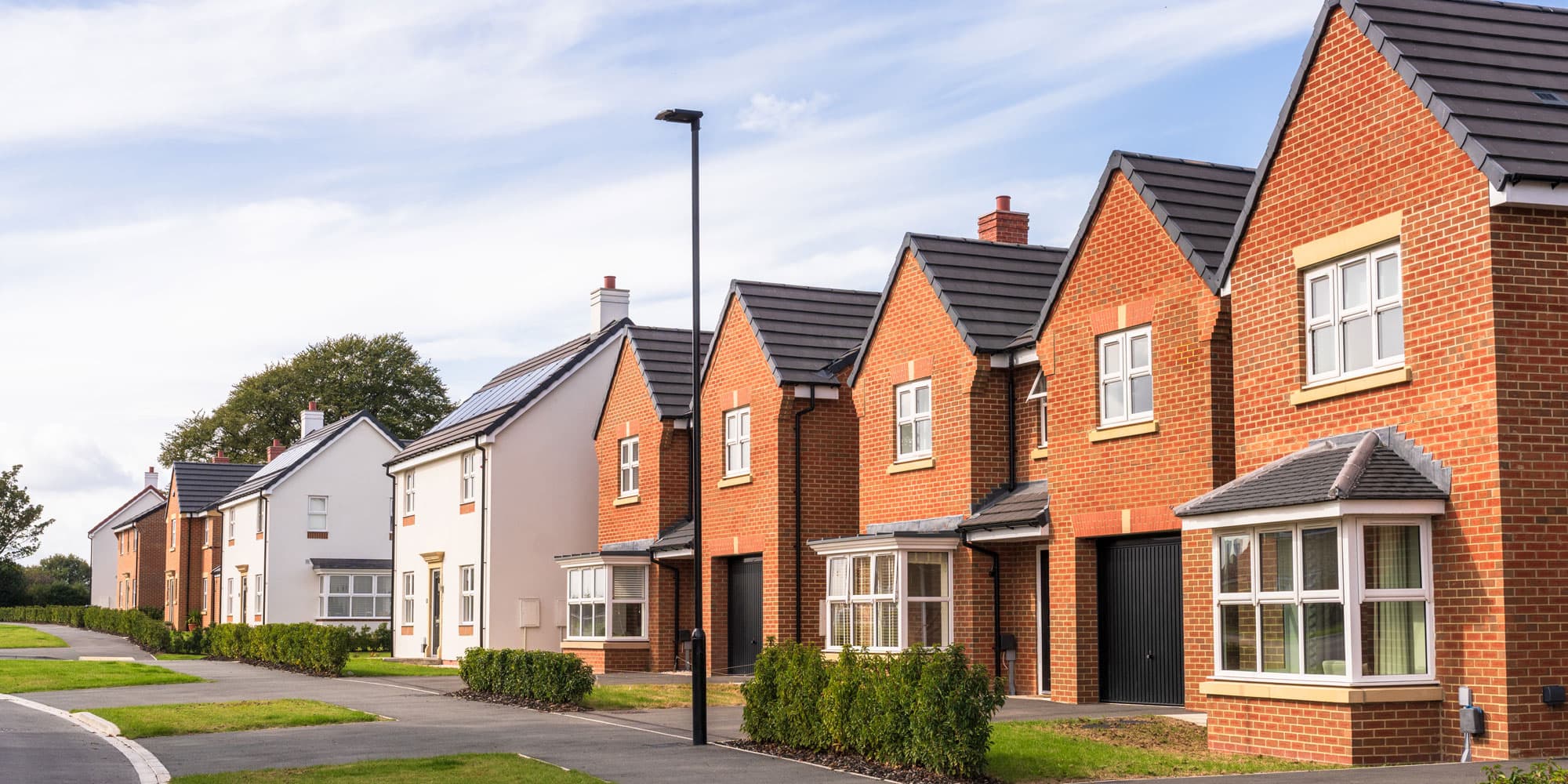
Can you negotiate the price of a new build? Sometimes — but the best deal is not always a straightforward reduction in the advertised price.
Developers have different sales targets, build programmes and levels of demand. That means the room for negotiation can vary between developments, house types and even individual plots.
Some buyers may secure a lower price. Others may be offered upgrades, contributions or other incentives instead. The useful question is therefore not only "Will the developer reduce the price?" but "What is the overall value of the deal I am being offered?"
Are new build prices negotiable?
An advertised new build price is not a guarantee that a developer will negotiate, but buyers can still ask.
Your position may be stronger when:
a particular plot has been available for longer
a development is approaching the end of a phase
the developer is trying to complete sales within a reporting period
several similar plots are available
you are chain-free or otherwise able to proceed quickly
demand for that house type is softer
a completed home is ready to occupy
None of these circumstances guarantees a discount. They simply give you useful context before deciding how to approach the sales team.
Research the developer and development first
Negotiation is easier when you understand what you are comparing.
Before discussing price, look at:
similar house types on the same site
other developments nearby
what is included in the standard specification
which features in the show home are upgrades
whether the plot has any disadvantages
ongoing estate or service charges
the developer's current incentives
local resale prices where available
You can use the New Build Rankings developer directory to research the housebuilder, then compare the wider customer satisfaction picture in our developer rankings.
Developer ratings do not tell you whether a particular plot is fairly priced, but they can help you decide how much wider research to do before committing.
Price discount or incentives?
Developers may sometimes prefer to offer incentives rather than reduce the recorded selling price.
Examples can include:
upgraded flooring
kitchen upgrades
appliances
landscaping
contributions towards legal costs
contributions towards moving costs
deposit contributions
mortgage-related contributions
part-exchange support
stamp duty contributions where offered
An incentive is not automatically worth its headline value to you.
For example, an upgrade package priced by the developer at several thousand pounds may cost you less to arrange independently after completion. Equally, an incentive that reduces an immediate cash cost could be particularly useful to a buyer whose deposit and moving budget are stretched.
Compare the real value to you, not just the marketing figure.
Tell your lender and conveyancer about incentives
If you are using a mortgage, incentives are not something to keep between you and the sales office.
UK Finance's new-build disclosure process is designed to make relevant information about a new property sale visible to lenders, valuers and conveyancers. Incentives can affect how a lender assesses the transaction.
Your conveyancer and mortgage adviser should know about any discount, cashback, contribution, upgrade or other incentive included in the deal.
Do not assume that because an incentive is common it is irrelevant to the mortgage.
How to negotiate a new build
A practical approach is to decide what would make the property good value before entering the sales office.
1. Compare like with like
Find comparable plots and house types. A cheaper property may have a smaller garden, different parking or a less desirable position.
2. Separate essentials from upgrades
Ask for a written specification for the exact plot.
The show home can contain flooring, lighting, fitted storage, landscaping and kitchen options that are not included as standard. Our new build viewing guide includes a wider checklist for comparing plots and specifications.
3. Decide your preferred outcome
Would you rather have a lower purchase price, flooring included or a contribution towards another cost?
Knowing this makes the conversation more focused.
4. Ask clearly
You do not need an elaborate negotiating script.
Explain that you are interested in the plot and ask what flexibility is available on the price or package.
5. Get the final deal in writing
Do not rely on a verbal promise from the sales office. Make sure agreed incentives and specification items appear in the appropriate reservation and legal documentation.
When should you walk away?
Negotiation should not distract you from whether the home itself is right.
Be cautious if you feel pressured to reserve before you have been able to understand:
the exact specification
management or service charges
completion timing
warranty arrangements
the plot and future development phases
the mortgage implications of incentives
A limited-time incentive is not valuable if it pushes you into buying the wrong property.
Compare the total package
Imagine two similar homes.
One developer offers a lower headline price but includes fewer finishes. Another holds the price but includes flooring, appliances and a contribution towards moving costs.
The better deal depends on what those extras are genuinely worth to you and whether either property's price is supported by your lender's valuation.
This is also why buyers should understand the wider new build premium rather than judging a new home only against another developer's asking price.
Does negotiating affect future resale value?
What matters later is what buyers are willing to pay for the property in the resale market, not the sales conversation you had with the developer.
However, paying close attention to the original purchase price is sensible because new-build developments can include incentives and pricing structures that do not translate directly to second-hand resale.
A lender's valuation provides another important checkpoint. If the valuation comes in below the agreed price, you may need to reconsider the deal, increase your own contribution or renegotiate.
The bottom line
You can ask to negotiate on a new build, but do not focus on the headline price alone.
Research comparable plots, understand the specification, calculate the real value of incentives and make sure your lender and conveyancer know exactly what has been agreed.
The strongest negotiation is one that leaves you with a property you actually want at a total cost you understand — not simply the biggest advertised incentive.