
Are New Builds More Expensive? The New Build Premium Explained
New build homes often have a higher average selling price than existing properties, but the headline gap is not a simple like-for-like premium. Here is what buyers should compare.
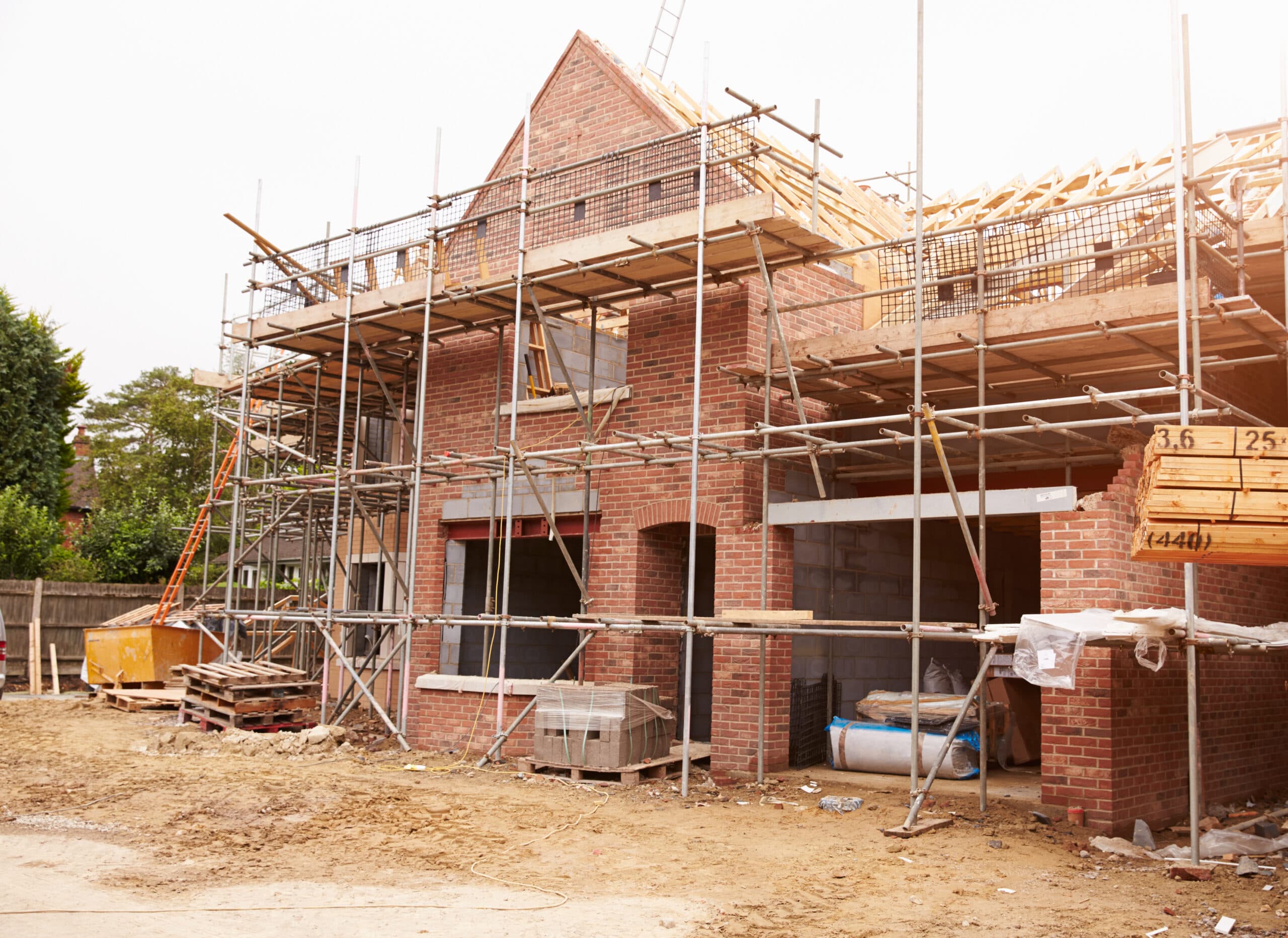
Are new builds more expensive than existing homes? Headline data often shows a higher average price for newly built properties, but that does not mean every new build carries the same fixed premium.
The price gap can reflect many things at once: location, property type, energy efficiency, specification, warranty cover, developer incentives and the mix of homes being sold.
For buyers, the useful question is not simply whether new builds cost more on average. It is whether the particular new build you are considering represents good value against realistic alternatives.
What is the new build premium?
The "new build premium" is a term used to describe the price difference between a newly built home and an existing property.
There is no universal percentage that applies to every new build. Homes sit in different locations, on different plots and within different local markets.
What does current house price data show?
The UK House Price Index publishes separate figures for new-build and existing resold properties.
In the June 2026 release, the latest reliable UK-wide building-status figures were for April 2026. The average new-build price was £353,353, compared with £266,575 for an existing resold property.
That is a substantial difference in the headline averages, but it should not be interpreted as the exact premium a buyer will pay for a comparable home.
New-build transactions can have a different mix of property types, locations and values from existing-home transactions. HM Land Registry also notes that new-build transactions can take longer to appear in the data, which is why the most recent months may not be reliable enough for this breakdown.
Why can new builds cost more?
Several factors can contribute.
Everything is new
Buyers are receiving a property that has not previously been occupied, with new kitchens, bathrooms, heating systems and finishes.
An older home may be cheaper to buy but require refurbishment sooner.
Energy performance
Many modern homes are designed to higher energy-efficiency standards than older housing stock.
The financial value depends on the individual property and how you use it, but energy performance should be part of a whole-cost comparison.
Warranty cover
New homes are normally sold with new-home warranty arrangements, although the provider and exact protection vary.
Warranty cover has value, but it should never be treated as a substitute for checking the property carefully.
Specification
A new home may include fitted appliances or other modern features. Equally, show homes can contain paid upgrades that are not part of the base price.
Always check the written specification.
Developer pricing and incentives
Developers control the release and pricing of plots within a development. The advertised price can reflect demand, build stage, plot position and sales strategy.
A developer may also hold the headline price while offering extras or contributions. That can make the effective deal different from the advertised price alone.
Read our guide to new build incentives and negotiating a new build price before comparing offers.
Compare like with like
This is the most important step.
Do not compare a three-bedroom new build in one postcode with the average price of every existing home in the wider town, or a detached new build with a nearby terraced resale.
Instead, look for properties with similar:
location
internal floor area
number of bedrooms
parking
garden size
tenure
condition
energy performance
local amenities
The closer the alternatives are, the more useful the price comparison becomes.
What else should you include in the cost?
Purchase price is only one part of ownership.
Consider:
mortgage cost
council tax
estate or service charges
insurance
expected maintenance
energy costs
upgrades
moving costs
future resale prospects
Some new build estates have ongoing private management charges. Our guide to new build service charges and estate management fees explains what buyers should ask before reserving.
Does a new build lose value as soon as you move in?
Not necessarily.
Property prices can rise or fall for many reasons, including the local market, interest rates, supply, demand and the desirability of the individual home.
However, buyers should think carefully if they expect to resell very quickly.
While a development is still selling brand-new plots, a resale home may compete with the developer's marketing suite, incentives and untouched properties. That can make short-term resale more challenging in some cases.
This does not mean every new build loses money. It means short ownership periods deserve more scrutiny.
Can incentives hide the real price?
Incentives can complicate comparisons.
Imagine a property advertised with flooring and a financial contribution included. Another similar home may sell for a lower headline price without those extras.
Your lender and valuer need to understand the transaction. UK Finance's disclosure process exists partly so incentives on new properties are visible to the relevant parties.
Compare the total package rather than treating every incentive at face value.
Is the premium worth paying?
That is a personal and property-specific decision.
A buyer may reasonably value:
a home that needs little immediate work
modern energy performance
the ability to choose finishes
a new-home warranty
buying without an onward seller chain
Another buyer may prefer an older home with a larger plot, established neighbourhood or lower price.
Neither choice is automatically better.
Research the developer as well as the price
Value is not only about pounds per square foot.
You are also buying from the company responsible for completing the home and supporting you after completion.
Compare housebuilders using the New Build Rankings developer directory, explore the latest developer rankings and read our guide to what to look for when viewing a new build.
Ratings are not a valuation and cannot tell you whether an individual plot is fairly priced. They are simply another part of the research process.
A simple new build value checklist
Before reserving, ask yourself:
What do genuinely comparable existing homes cost nearby?
What is included in the standard specification?
Which features are upgrades?
Are incentives included in the deal?
Are there estate or service charges?
What does the lender's valuation say?
How long do I expect to own the property?
What does the exact plot offer that alternatives do not?
What do customer satisfaction data and recent reviews say about the developer?
Would I still choose this home without the sales incentive?
The bottom line
New builds often have a higher average selling price than existing resold homes, but a national average cannot tell you the premium on a specific property.
Compare similar homes in the same local market, account for specification and incentives, understand ongoing charges and consider how long you expect to stay.
The right question is not "Are new builds always overpriced?" It is "Does this new build offer enough value to justify its price for me?"