New Build Plumbing Problems: Low Water Pressure, Leaks and Toilets
Low water pressure, leaking fittings and toilets that do not work properly can all appear after moving into a new build. Learn what to check safely and when to report a plumbing defect.
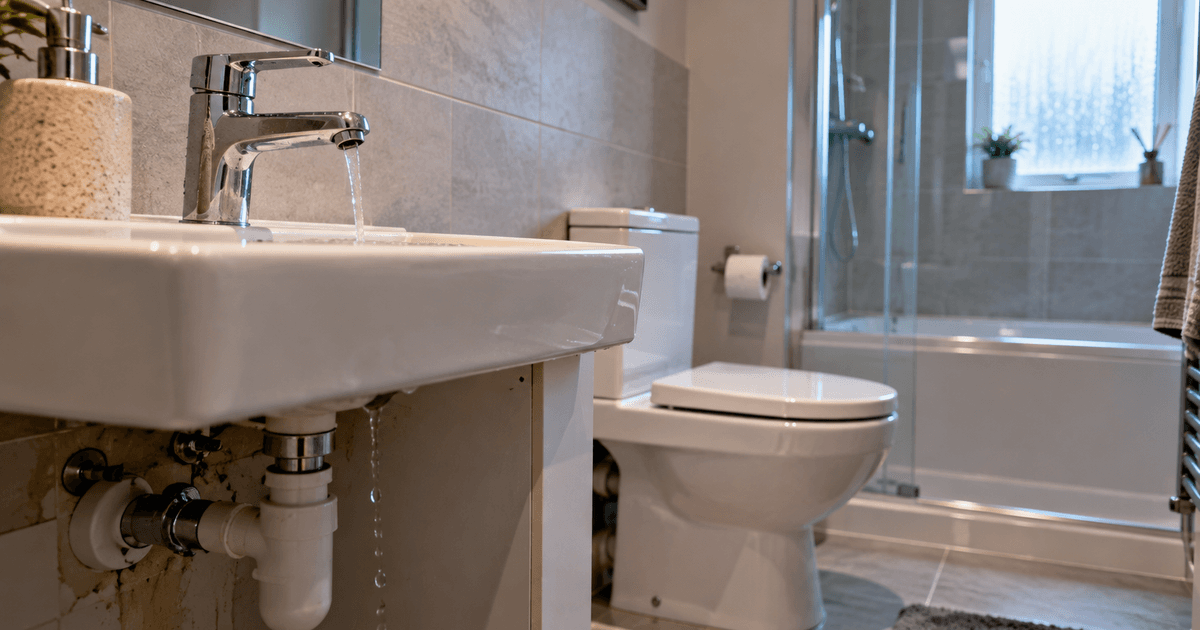
Plumbing problems can be especially frustrating in a brand-new home because buyers expect every tap, shower and toilet to work properly from the day they receive the keys.
Some issues are minor adjustments. Others can cause water damage or make part of the home difficult to use. Low pressure, leaking joints, poorly sealed showers and toilets that repeatedly fail to flush should therefore be documented rather than dismissed simply because the property is new.
This guide covers the common plumbing symptoms homeowners may encounter, the basic checks that can be made safely and when the developer should be contacted.
What plumbing problems can appear in a new build?
Low water pressure at taps or showers.
Large differences in pressure between rooms.
A shower that loses pressure when another outlet is used.
Leaking taps or pipe joints.
Water under sinks or inside cupboards.
Shower trays or enclosures leaking during use.
Toilets that do not flush properly.
Toilets that continue running after flushing.
Slow drainage from basins, baths or showers.
Unusual noises from pipework.
Hot water taking unexpectedly long to arrive.
Water temperature that is difficult to control.
The same symptom can have several causes, so the aim of your initial checks is to record the problem clearly rather than dismantle the plumbing yourself.
Is low water pressure normal in a new build?
Persistently weak pressure should not automatically be accepted as normal because the home is new.
The cause could be within the property, related to a valve, filter, shower fitting or system configuration, or connected with the incoming supply.
Before reporting the issue, establish whether the problem affects the whole property or only one outlet.
How to check low water pressure
Compare cold-water flow at more than one tap.
Check whether the issue affects hot water, cold water or both.
Test the shower separately.
Note whether pressure drops when another tap or appliance is used.
Ask neighbouring new-build owners whether they are experiencing the same issue if appropriate.
Check that obvious user-operated isolation valves have not accidentally been left partly closed.
Record video if the flow is visibly poor.
Avoid adjusting pressure-reducing valves or other specialist equipment unless the manufacturer or developer has specifically instructed you to do so.
Why does the shower pressure drop?
A shower can behave differently depending on the hot-water system installed in the property.
If pressure is acceptable until another outlet is opened, that pattern is useful information for the developer or plumber. It may indicate a system-capacity, balancing or supply issue that needs assessment.
Record whether the problem happens every time, whether it affects hot and cold water equally and whether it changes at different times of day.
New build shower leaks
A shower can look perfectly installed during handover and still leak once it is used repeatedly.
Water may escape around screens, trays, seals, joints or poorly finished sealant. The place where water becomes visible is not always the exact point where it is escaping.
If you find a leak, stop using the shower if continued use is likely to damage surrounding finishes or the room below and report the issue promptly.
Photograph the visible water.
Record how long the shower had been running.
Note where water first appears.
Check whether the leak happens every time.
Photograph damage to ceilings, floors or skirting.
Keep records of previous repair attempts.
Water under the kitchen sink
A small leak inside a kitchen cupboard can go unnoticed until the cabinet base begins to swell or staining appears.
Check below the sink periodically during the first weeks of occupation. Look for dampness around traps, flexible connections and appliance hoses without undoing fittings.
If you find active water leakage, minimise further damage where it is safe to do so and contact the developer or emergency service route provided at handover.
Toilet not flushing properly in a new build
A toilet that frequently needs several flushes, continues filling or fails to clear waste reliably should be reported.
Occasional drainage behaviour can be affected by what is flushed, but repeated poor performance from normal use may indicate an issue with the cistern, installation, drainage or another part of the system.
If multiple toilets or drains are affected at the same time, tell the developer because that may point to a wider problem.
Why does a toilet keep running after flushing?
Continuous water running into the pan can indicate that the cistern mechanism is not closing correctly.
Apart from the noise, the fault can waste water. Record the issue and ask for it to be adjusted or repaired rather than leaving it for months.
Slow-draining sinks, baths or showers
A single slow outlet may be caused by a local blockage or installation issue. Several slow outlets, gurgling sounds or water backing up can justify quicker investigation.
New homeowners should avoid using aggressive chemical drain cleaners before the developer has assessed a recurring problem, particularly if the cause is unknown.
What about bad smells from drains?
Persistent foul smells can indicate a drainage or trap issue and should not simply be masked with air freshener.
Record which room is affected, whether the smell changes after water is used and whether any fixtures have been unused for a period.
If the problem is severe or appears alongside slow drainage or backing-up wastewater, contact the developer promptly.
Hot water problems
If hot water is intermittent, slow to recover or not reaching the expected outlets, first make sure you understand the system installed in the home.
A cylinder, heat pump, combi boiler or other arrangement can behave differently. The home demonstration should explain normal operation and any boost functions.
If the system is not performing as described, report the issue rather than repeatedly changing settings without understanding them.
Could plumbing problems cause mould or damp?
Yes. A hidden or slow leak can raise moisture levels and damage plasterboard, flooring, cabinets or timber.
Do not assume every damp patch in a new home is simply construction moisture. The timing, location and pattern matter.
Our new build condensation and mould guide explains how to distinguish general moisture problems from signs that may need further investigation.
When is a plumbing problem urgent?
Treat active water leakage, wastewater backing up, loss of essential water supply or water near electrical equipment more urgently than a minor dripping tap.
Use the emergency contact route supplied by the developer where appropriate.
Isolate water only if you know how to do so safely.
Keep away from electrical equipment affected by water.
Move possessions away from active leaks if safe.
Photograph the damage once immediate safety has been dealt with.
Should you repair plumbing defects yourself?
For simple homeowner tasks specifically covered by operating instructions, follow the guidance provided.
For a defect in a newly completed home, avoid significant plumbing alterations before the developer has had the opportunity to inspect it. Making changes can complicate diagnosis and responsibility.
If an emergency requires immediate professional work to prevent damage, keep records, photographs and invoices and tell the developer what happened.
Can a snagging inspection find plumbing problems?
A professional snagging inspection can check visible plumbing fixtures, operation and signs of leaks within the scope of the inspection.
However, no normal visual inspection can guarantee that every concealed pipe joint or future leak will be found. Some defects only reveal themselves through repeated use.
That is one reason we recommend continuing to monitor the property after completion even if you arranged professional snagging beforehand.
Read pre-completion vs post-completion snagging for the practical difference.
How should you report a plumbing defect?
Identify the room and exact fitting.
Describe what happens during normal use.
Say when you first noticed the problem.
Attach photographs or video.
Record any water damage.
Explain whether the problem is intermittent or constant.
Mention whether other outlets are affected.
Record previous visits and repair attempts.
Clear evidence makes it easier for the customer-care team to send the appropriate trade and understand whether the issue has actually been resolved.
Who is responsible for fixing the problem?
In the early ownership period, construction defects are commonly reported to the developer through its after-sales process. The exact responsibility depends on the defect, contract, applicable consumer code and warranty.
A ten-year structural warranty should not be understood as a ten-year developer maintenance service for every tap, seal or toilet mechanism.
Our guide to who is responsible for new build defects explains how the route can change as the property gets older.
What if the developer has tried to fix it more than once?
Keep a timeline showing each report, appointment and repair.
If the same leak or pressure problem returns, explain that the previous work did not resolve the underlying issue. Include photographs from before and after each repair where possible.
If progress stalls, read what happens if a developer won't fix snags.
New build plumbing checklist
Run hot and cold taps.
Check more than one outlet for pressure.
Use each shower normally.
Check beneath sinks after use.
Flush every toilet.
Listen for toilets that continue running.
Watch how quickly baths and showers drain.
Look for water staining.
Check visible sealant around wet areas.
Learn where the main stopcock is.
Keep the developer's emergency contact details.
The bottom line
A new build should have a plumbing system that works reliably under normal household use. Low pressure, repeated leaks, toilets that do not function properly and slow drainage are all worth documenting and reporting when they persist.
Make simple observational checks, protect the home from further damage where safe and avoid dismantling unfamiliar systems yourself.
For the wider inspection picture, use our most common new build snags guide and snagging company directory.