New Build Electrical Problems: Sockets, Lights, Tripping and EV Chargers
Sockets that do not work, tripping circuits, faulty lights and EV charger issues can all need investigation in a new home. Learn what homeowners can check safely and when to contact the developer or a qualified electrician.
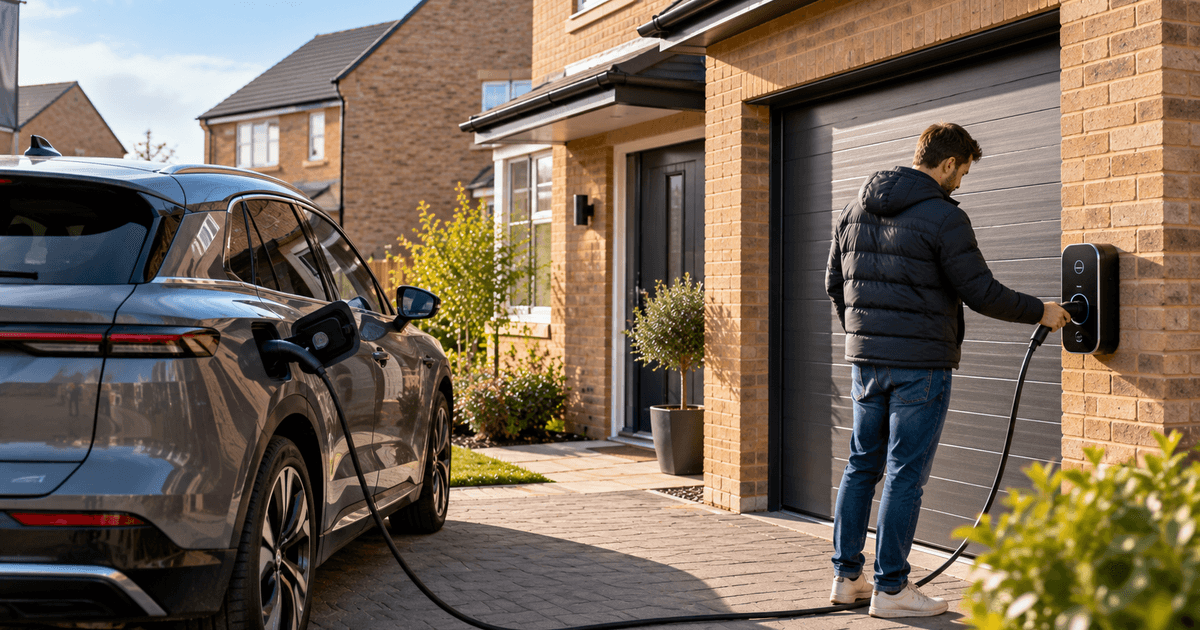
A new electrical installation should work safely and reliably from the day you move in, but defects, commissioning issues and damaged fittings can still appear in a newly completed home.
Some problems are obvious, such as a socket that does not work or a light fitting that never comes on. Others are more serious, including repeated circuit trips, burning smells, heat, crackling or visible damage.
Electrical faults are not an area for DIY diagnosis. The safest approach is to record the symptom, make only simple user-level checks and involve the developer or a competent electrician when there is any sign of danger.
What electrical problems can appear in a new build?
A socket that does not appear to have power.
Light switches that control the wrong fitting or do not work.
Loose socket or switch plates.
Circuit breakers that repeatedly trip.
An RCD or RCBO that will not reset.
Lights that flicker persistently.
Outdoor sockets or lights not working.
Bathroom extractor fans not operating.
Smoke or heat alarms showing faults.
EV charge points not operating as expected.
Incorrect or confusing consumer-unit labels.
Visible damage to fittings after construction.
A cosmetic issue such as a slightly uneven faceplate is different from a fault involving heat, arcing or repeated loss of power. Treat safety-related symptoms more urgently.
What can you check safely yourself?
Keep homeowner checks simple and non-invasive.
Try another known-working appliance in the socket.
Check whether other sockets in the room are affected.
Look at the consumer unit to see whether a breaker has tripped.
Follow the manufacturer's instructions before resetting any device.
Check whether a wall switch or fused spur controls the appliance.
Confirm a bulb itself has not failed.
Record which circuit or room is affected.
Take photographs of visible damage.
Do not remove socket fronts, open the consumer unit, expose wiring or attempt to test live circuits unless you are appropriately qualified.
What is the consumer unit?
The consumer unit, sometimes called the fuse box, distributes electricity around the home and contains protective devices for individual circuits.
Modern installations commonly use circuit breakers and residual-current protection designed to disconnect the supply when certain faults are detected.
Electrical Safety First explains that RCDs are important safety devices because they can cut power when a fault creates a risk of electric shock. You can read its home electrical safety guidance.
Why does the power keep tripping?
A circuit breaker or residual-current device can trip because it has detected a condition that requires disconnection.
One isolated trip does not tell you the cause. Repeated trips on the same circuit, trips when a particular appliance or fitting is used, or a device that cannot be reset should be investigated.
Do not repeatedly force a breaker back on if it continues to disconnect.
When should you treat an electrical problem as urgent?
Stop using the affected fitting and seek professional help if you notice signs such as burning, excessive heat, smoke, sparking or crackling.
Electrical Safety First advises people not to ignore burn marks, arcing or crackling sounds, repeated fuse or breaker operation, or fittings that become hot.
Burning smell.
Smoke or visible scorching.
Sparks from a socket or switch.
Crackling or buzzing from electrical fittings.
A socket or switch becoming unusually hot.
Repeated tripping that cannot be explained by a faulty appliance.
Water affecting electrical equipment.
Exposed or damaged wiring.
If there is an immediate risk to people or property, prioritise safety rather than continuing to test the installation.
New build socket not working
If one socket appears dead, first confirm the appliance works elsewhere and check whether a local switch or fused connection controls it.
If several sockets on the same circuit are affected, record the pattern and check whether a protective device has tripped.
A newly installed socket that has never worked should be reported as a defect rather than accepted because another socket is nearby.
Loose sockets and switches
Faceplates should be securely fitted. A socket or switch that visibly moves when used should be reported.
Do not tighten electrical fittings yourself unless the task is explicitly within your competence and can be completed safely with the supply isolated. In a new home, the simplest route is usually to log the snag with the developer.
Why do new build lights flicker?
A single flickering lamp can be caused by the lamp itself, while persistent flickering across a fitting or several rooms may justify further investigation.
Record whether the flicker happens constantly, when another appliance starts, or only on one particular circuit.
If flickering is accompanied by buzzing, heat, a burning smell or repeated tripping, stop using the affected circuit and seek professional help.
What if the bathroom extractor fan does not work?
A fan may be linked to the light switch, a timer, a humidity sensor or another control. The developer should explain how the installed system is intended to operate.
Ventilation is important in modern new homes, so a fan that genuinely does not operate should be reported rather than ignored.
Persistent ventilation problems can contribute to moisture issues. See our new build condensation and mould guide.
Smoke and heat alarms
Ask during handover how alarms are powered and how they should be tested.
If an alarm shows a persistent fault indication or fails a test carried out according to its instructions, report it promptly.
Do not remove or disable an alarm simply because it is sounding unexpectedly without first establishing why.
Do new builds need EV chargers?
In England, Approved Document S sets building-regulation requirements for electric vehicle charging infrastructure in qualifying new residential buildings with associated parking spaces.
The exact requirement depends on the building, parking arrangement, connection cost and applicable exemptions. The government guidance includes examples where new homes with associated parking require charge points.
You can read the current rules in Approved Document S guidance. Buyers outside England should check the rules that apply in their nation.
What if the EV charger does not work?
First check the user instructions and whether the charge point has been activated or commissioned as required.
Some chargers also rely on an app, account setup, connectivity or load-management system, so the problem may not be the physical unit itself.
If the charger displays a fault, repeatedly trips the electrical supply or appears physically damaged, stop using it and report the problem.
Should the developer provide electrical certificates?
New electrical work forming part of the home should go through the applicable building-regulations and certification process.
Ask your conveyancer or developer which electrical installation certificates and completion documents will be provided or retained with the handover paperwork.
Keep those documents because they can be useful for future electricians, alterations, remortgaging or sale.
Can a snagging inspector check the electrics?
A snagging inspection can include visual and basic functional checks of accessible sockets, switches, lights, fans and other fittings depending on the inspector's scope.
That is not the same as a specialist electrical inspection and testing report.
If you need the electrical installation independently tested, use a competent registered electrician rather than relying on a visual snagging report alone.
Our guide to what a professional snagging survey checks explains why inspection scope matters.
How should you report an electrical snag?
Identify the exact room and fitting.
Describe what happens during normal use.
State whether the issue is constant or intermittent.
Mention whether a breaker or RCD trips.
Attach photographs or video where safe and useful.
Record any fault code displayed by equipment.
Say when you first noticed the problem.
Keep details of previous repair visits.
If the symptom could be dangerous, make that clear when contacting the developer so it is not treated as a cosmetic snag.
Who should fix the problem?
A defect in the original electrical installation during the developer's early after-sales period should normally be reported through the developer's recognised process.
The exact responsibility depends on the fault, contract, applicable consumer code and warranty. Later structural warranty cover should not be assumed to provide a ten-year repair service for every socket, light fitting or appliance.
Read who is responsible for new build defects? for the wider responsibility framework.
What if an electrician needs to attend urgently?
If a safety issue requires immediate professional intervention, use a competent electrician and keep clear records of what was found and what work was required.
Photographs, reports and invoices can help you explain the issue to the developer afterwards.
New build electrical checklist
Test accessible lights and switches.
Check sockets with normal appliances rather than dismantling them.
Locate the consumer unit.
Ask how RCD or RCBO testing should be carried out.
Check extractor fans operate as intended.
Test alarms according to the manufacturer's instructions.
Check outside lights and sockets where included.
Confirm how the EV charger operates.
Keep electrical certificates and manuals.
Report heat, burning, crackling or repeated tripping immediately.
The bottom line
A new build electrical problem can range from a straightforward snag to a genuine safety issue. The key is not to treat them all the same.
Make simple checks, record the symptom and avoid opening electrical fittings or repeatedly resetting protection that continues to trip. When there is heat, burning, arcing, exposed wiring or another safety concern, stop using the affected equipment and get professional help.
For the rest of the property, use our most common new build snags guide and new build handover checklist.