New Build Handover Checklist: What to Check Before You Get the Keys
Getting the keys to a new build is exciting, but handover should be more than a quick tour. Use this checklist to understand meters, heating, warranties, keys, documents and defects before you move in.
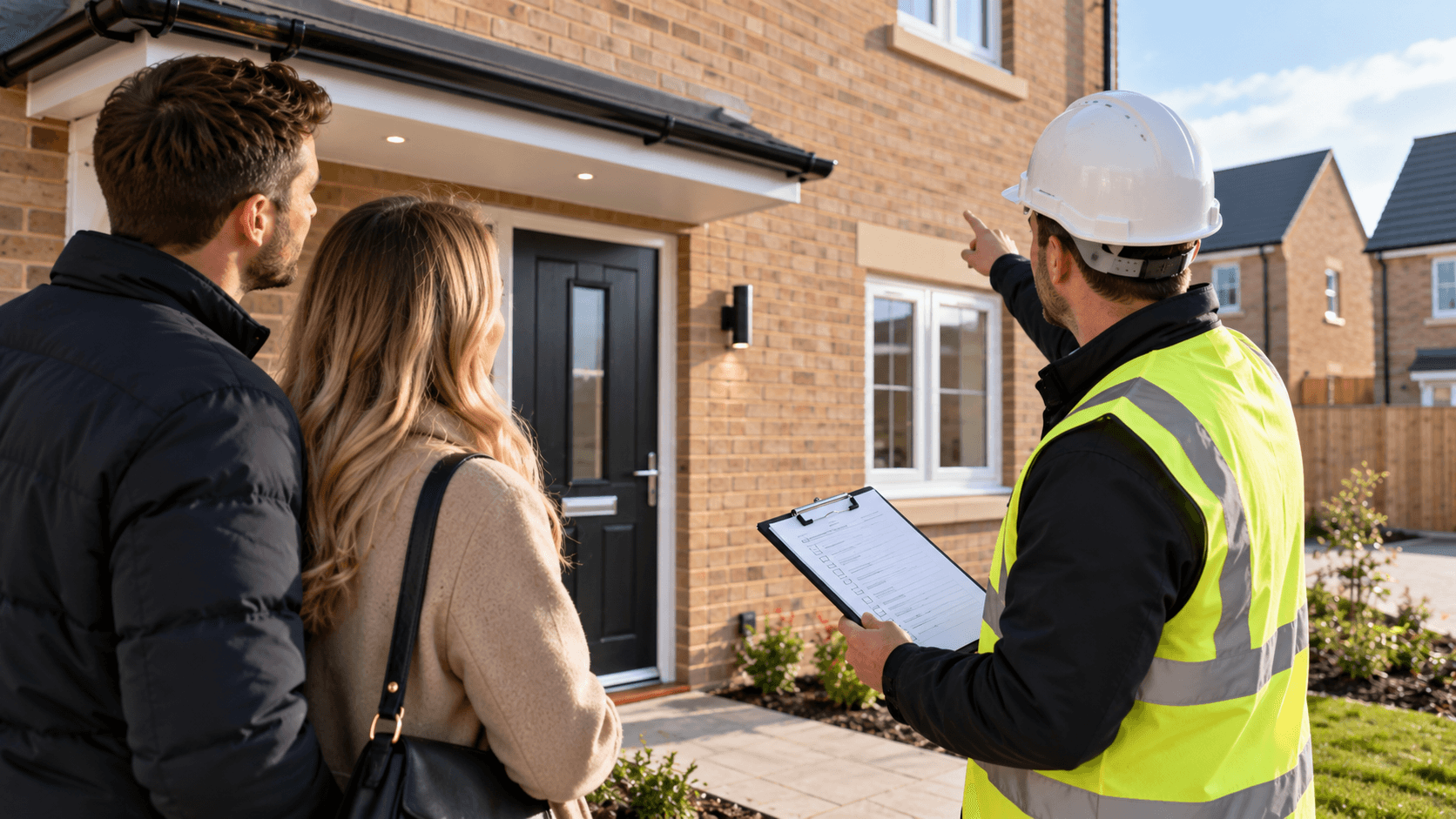
Collecting the keys to a new build can feel like the end of the buying process, but handover is really the start of owning and operating the home. In a short appointment you may be shown the heating, meters, appliances, alarms, ventilation and defect-reporting process while also trying to remember dozens of practical details.
That is why a new build handover should be treated as more than a ceremonial key collection. A structured checklist can help you leave with the information, documents and evidence you may need during the first weeks of ownership.
This guide focuses on handover itself. If you are still deciding when to inspect the property for defects, read our pre-completion vs post-completion snagging guide.
What is a new build handover?
Handover is the point around legal completion when the developer gives you access to the completed home and explains the practical information you need to use it.
Depending on the developer, you may also have a separate home demonstration before completion. That appointment can cover heating controls, appliances, ventilation, stopcocks, meters and basic maintenance.
Do not assume the handover or home demonstration is an independent inspection of the property. The developer is explaining the home and its systems; snagging is a separate process focused on identifying defects.
When does new build handover happen?
The exact timing varies. Some developers provide a home demonstration shortly before legal completion, while the keys are released only after the developer's solicitor confirms that completion has taken place and funds have been received.
If your property was bought off plan, the final date may follow a formal notice-to-complete process rather than the estimated date you were given when reserving.
Our new build completion delays guide explains why estimated dates can move and what buyers should monitor.
Before handover: confirm the legal completion position
Do not make assumptions from a phone call with the sales office. Your conveyancer should confirm when legal completion has taken place and when the developer is authorised to release the keys.
If important certificates or documents remain outstanding, ask your conveyancer what that means for the transaction. Our new build completion certificate guide explains the difference between regulatory paperwork, warranties and snagging.
1. Count and identify every key
Front and rear external doors.
Patio or bifold doors where applicable.
Garage doors.
Side gates.
Meter cupboards.
Communal entrances for apartments.
Post boxes.
Window keys if the design uses them.
Any access fobs, remotes or parking controls.
If you are given several visually identical keys, label them as soon as possible. Ask whether every copy has been supplied and whether any site or contractor keys remain in circulation.
2. Take meter readings immediately
Record the electricity, gas and water readings where meters are accessible. Photographs are useful because they preserve the reading and give you a clear record from moving day.
Ask the developer which meter belongs to your property if you are in an apartment block or a development with grouped meter cupboards.
3. Find the stopcock and isolation points
You should know how to shut off the water before an emergency happens. Ask the developer to show you the main internal stopcock and any important local isolation valves.
Knowing where the stopcock is can be particularly important if a leak appears after you move in.
4. Learn how the heating actually works
Modern new builds can have more complex heating controls than buyers expect. You may have multiple heating zones, programmable thermostats, underfloor heating or a heat pump rather than a conventional gas boiler.
Ask how to turn the heating on and off.
Check how each zone is controlled.
Ask how hot water is produced.
Find out whether there is a boost or immersion function.
Ask where the boiler, cylinder or heat-pump controls are located.
Confirm what settings the developer recommends initially.
Ask where operating manuals can be found.
If rooms remain cold or controls do not respond once you have moved in, our new build heating problems guide covers the safe checks to make.
5. Understand the ventilation system
Ventilation matters in a newly built home because construction moisture is still drying out and modern homes are designed to be relatively airtight.
Ask which extractor fans, trickle vents or mechanical ventilation systems should remain running and how they are controlled.
Do not automatically block vents because you can feel cool air. Restricting ventilation can contribute to condensation and moisture problems. See our new build condensation and mould guide.
6. Test the doors and accessible windows
Open and close external doors.
Check locks engage without excessive force.
Open accessible windows.
Check handles and restrictors.
Operate patio or bifold doors if fitted.
Look for obvious damaged glazing or frames.
If you find sticking doors, draughts or leaking frames, see our new build windows and doors problems guide.
7. Ask about alarms and safety devices
Ask the developer to identify smoke alarms, heat alarms and carbon-monoxide alarms where fitted, and explain any testing procedure you need to follow.
If the property has a security alarm, door-entry system or communal fire-safety arrangements, make sure you understand the controls and receive any codes or instructions you are entitled to.
8. Check appliances and manuals
Confirm which appliances are included with the purchase and whether instruction manuals, serial details and guarantee information have been provided.
Oven and hob.
Extractor hood.
Dishwasher.
Fridge or freezer where included.
Washing machine or washer-dryer where included.
Heating controls.
Mechanical ventilation systems.
Garage or gate controls.
Do not assume every appliance displayed in the show home is included unless it formed part of your written specification.
9. Ask how to report a snag
Before you leave handover, know exactly where defects should be reported. Ask whether the developer uses an app, web portal, email address or customer-care telephone number.
Keep written evidence of what you report. Our guide to who is responsible for new build defects explains how responsibility can change over time.
10. Confirm what has already been logged
If you carried out a pre-completion inspection, bring the report or have it available digitally. Ask which items have already been completed, which remain outstanding and how the remaining work will be scheduled.
Do not allow a snag to disappear from your own records simply because somebody verbally says it will be fixed later.
11. Photograph the home before moving furniture in
An empty property gives you a clean record of the condition at handover. Photograph rooms, flooring, worktops, sanitaryware, glazing and any known defects before removals begin.
12. Check external areas
Check gates and fences.
Look at paving and steps.
Confirm parking spaces.
Check obvious drainage points.
Photograph unfinished landscaping.
Note standing water after rain.
Check the route to bins, garages and communal areas.
If the garden remains waterlogged after rain, see our new build garden drainage problems guide.
13. Confirm broadband and utilities
A brand-new address can sometimes take time to appear correctly in provider databases. Ask what broadband infrastructure serves the property, where the connection enters the home and whether any activation work remains outstanding.
Also confirm whether electricity, gas and water accounts need to be transferred or opened by you immediately after completion.
14. Keep the warranty information
Make sure you know which structural warranty provider covers the home and where to find the policy information.
A structural warranty is not the same as ordinary buildings insurance or developer aftercare. Our new build warranty providers guide explains the difference.
15. Understand what happens after handover
The first few weeks in a new home are when you start using systems continuously and may discover issues that were not visible during a short inspection.
Heating may behave differently from expected.
Showers and plumbing are used repeatedly.
Doors can begin to catch as the home dries.
Heavy rain can reveal drainage or water-ingress issues.
Condensation patterns become clearer.
Minor settlement cracking may start to appear.
Continue checking the property and report new issues promptly rather than treating handover as the end of the snagging process.
New build handover checklist
Legal completion confirmed by your conveyancer.
All keys, fobs and remotes received.
Meter readings photographed.
Stopcock located.
Heating controls demonstrated.
Hot-water system explained.
Ventilation system explained.
Smoke and safety alarms identified.
Appliance manuals received.
Warranty provider confirmed.
Defect-reporting process confirmed.
Outstanding snags recorded.
Windows and doors operated.
External areas checked.
Broadband and utility arrangements understood.
Empty-property condition photographed.
The bottom line
A good new build handover should leave you knowing how the home works, who to contact when something goes wrong and what remains outstanding.
Do not rush because collecting the keys is exciting. Take notes, photograph meter readings and defects, keep the documents together and continue checking the property once you start living in it.
For a wider inspection checklist, read most common new build snags or browse the UK snagging company directory if you want an independent professional inspection.