
New Build Mortgages UK: What Buyers Need to Know
Buying a new build with a mortgage can involve tighter timescales, incentives, valuations and delays. Understand the key checks before you reserve, exchange and complete.
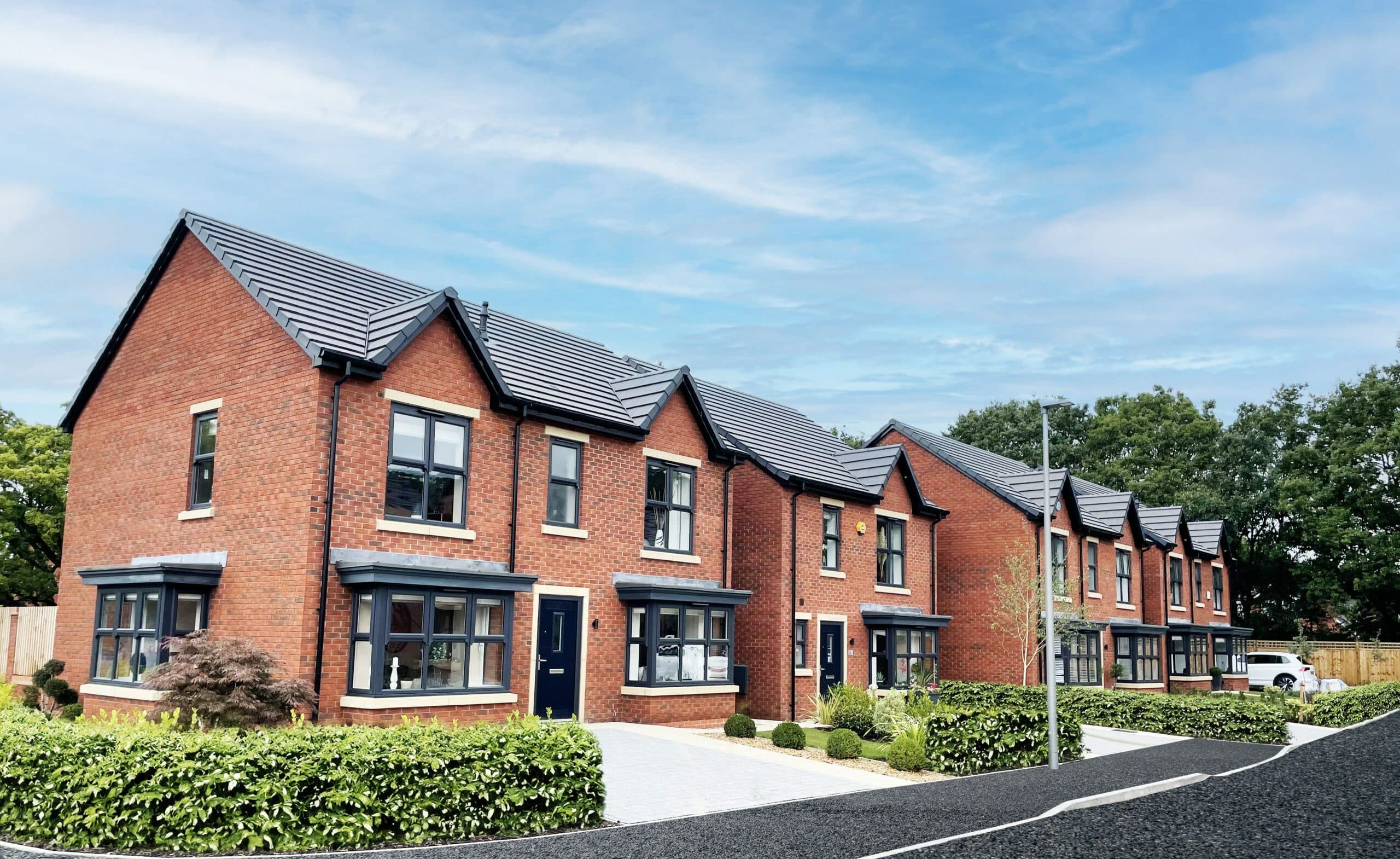
Buying a new build with a mortgage is broadly similar to financing any other home, but the timing can be different. You may reserve a property months before it is ready, exchange contracts while construction is still under way and then wait for the developer to issue notice that the home is ready to complete.
That extra gap matters because your mortgage offer, valuation and personal circumstances all need to remain compatible with the purchase through to completion.
This guide explains the main new build mortgage issues UK buyers should understand before reserving a plot. It is general information rather than mortgage advice, so check the requirements of your own lender and adviser.
Is it harder to get a mortgage on a new build?
Not necessarily, but lenders can have specific criteria for newly built homes.
The amount you can borrow will still depend on factors such as your income, expenditure, deposit, credit history and the lender's affordability assessment. The property itself also needs to meet the lender's requirements.
New builds can introduce a few additional questions:
Is the property a house or a flat?
Is it already complete or being bought off plan?
What construction method is being used?
How long is there until expected completion?
Are developer incentives included?
What does the lender's valuation say?
Does the lender accept the warranty provider?
Will the mortgage offer remain valid until completion?
The exact answer varies by lender, so it is worth discussing the fact that you are buying a new build from the start of your mortgage application.
How long does a new build mortgage offer last?
Mortgage offers are not open-ended.
The Financial Conduct Authority says mortgage offers will normally stand for around three to six months, depending on the lender. A new build that is still under construction can therefore create a timing problem if completion moves beyond the offer period.
Some lenders have processes for new build extensions or may reassess an application, but you should never assume an extension will be automatic.
Before reserving, ask your mortgage adviser or lender:
how long the offer is expected to remain valid
when that period starts
whether new build extensions are available
what information would be needed for an extension
whether your affordability or credit position may be reassessed
what happens if the developer delays completion
If you are buying a property that has not yet been built, our guide to buying a new build off plan covers the wider risks and checks.
Do you need a mortgage agreement in principle before reserving?
A mortgage agreement or decision in principle can help you understand roughly how much a lender may be prepared to lend, but it is not the same as a final mortgage offer.
A full mortgage application normally involves further affordability checks and a valuation of the property.
Developers may ask for evidence that you are in a position to proceed before accepting a reservation. Before paying a reservation fee, make sure you understand the deadline for progressing the purchase and whether your chosen lender and conveyancer can work within it.
For homes covered by the New Homes Quality Code version applying from 2 March 2026, a reservation agreement must include the date by which exchange of contracts is expected, along with other information about the home and costs.
Read our guide to new build reservation fees and reservation agreements before paying to secure a plot.
What is a new build mortgage valuation?
A mortgage valuation is carried out for the lender. Its purpose is to help the lender decide whether the property provides suitable security for the mortgage and whether the value supports the amount being borrowed.
It is not the same as a snagging survey or an independent condition survey commissioned for you.
This distinction matters with a new build because the sales price may include upgrades or incentives, while the lender still needs to assess the underlying property.
If the valuation is lower than the agreed purchase price, the lender may base its lending decision on the lower figure. Depending on your circumstances, that could mean finding more of your own money, renegotiating or reconsidering the purchase.
Our article on the new build premium explains why headline new build prices should be compared carefully with realistic local alternatives.
How do developer incentives affect a mortgage?
New build incentives are common, but they need to be transparent.
UK Finance uses a standard Disclosure Form for newly built, converted and renovated property. It brings together information including incentives, tenure and construction method for lenders, valuers and conveyancers.
That means cashback, deposit contributions, financial contributions and relevant non-cash incentives should not be treated as a private arrangement between you and the sales team.
Always tell your mortgage adviser and conveyancer exactly what has been agreed.
Read our full guide to new build incentives if you are comparing extras with a straightforward price reduction.
What deposit do you need for a new build mortgage?
There is no single deposit percentage that applies to every new build mortgage.
The minimum will depend on the lender, the property type, the loan-to-value available on the product and your individual circumstances. Flats, unusual construction methods and certain schemes can also have different criteria.
Rather than designing your purchase around a marketing message such as "buy with a small deposit", check the actual mortgage products available to you.
Remember that your deposit is only part of the cash you may need. Budget for relevant legal costs, moving costs, upgrades, insurance and any service or estate charges.
Our guide to new build service charges and estate management fees explains one of the ongoing costs buyers can otherwise overlook.
Can you get a mortgage on a new build bought off plan?
Yes, subject to lender criteria, but timing is particularly important.
When you buy off plan, you may exchange contracts before the home is finished. Your developer will usually provide an estimated completion window rather than a guaranteed moving date at the beginning of the process.
That means you need to understand how your mortgage offer interacts with the build programme.
Ask what happens if:
the completion estimate moves
your mortgage offer expires
interest rates or available products change
your circumstances change before completion
the lender requires an updated valuation
Do not commit to non-refundable moving arrangements too early.
What if the new build is delayed?
A delay can create more than an inconvenience. It can affect your mortgage offer, rental arrangements, removals and the sale of your existing home.
Contact your lender or mortgage adviser early rather than waiting until the offer is about to expire.
You should also ask your conveyancer to explain the completion terms in your contract, including any long-stop provisions and what rights may apply if the delay becomes excessive.
Our dedicated guide to new build completion delays explains this in more detail.
Do you still need to research the developer?
Yes.
Getting a mortgage tells you that a lender is willing to finance the transaction subject to its conditions. It does not tell you whether the developer, development or particular plot is right for you.
Before reserving, compare the housebuilder's customer satisfaction data, third-party reviews, development information and aftercare reputation.
Browse the new build developer directory or compare the latest new build developer rankings.
National ratings should be used as context rather than a guarantee of what will happen on an individual site.
New build mortgage checklist
Before you exchange contracts, make sure you can answer:
How long will my mortgage offer remain valid?
Does my lender have specific new build criteria?
Has every developer incentive been disclosed?
Does the valuation support the purchase price?
What happens if completion is delayed?
Is the property covered by a warranty acceptable to my lender?
What ongoing estate or service charges will I pay?
Have I budgeted for upgrades and moving costs?
Do I understand the exchange and completion timetable?
Who should I contact if the expected completion date changes?
The bottom line
A new build mortgage is not a completely different type of mortgage, but the build timetable makes preparation more important.
Understand how long your offer lasts, disclose incentives, pay attention to the lender's valuation and make sure your conveyancer explains what happens if completion moves.
Most importantly, avoid treating mortgage approval as the end of your research. Compare the developer, the development, the plot and the full cost of ownership before committing to the purchase.