
Buying a New Build Off Plan: What to Check Before You Reserve
Buying a new build off plan can give you more choice, but you are committing before the finished home exists. Use this checklist to research the developer, plot, specification, costs and completion timetable.
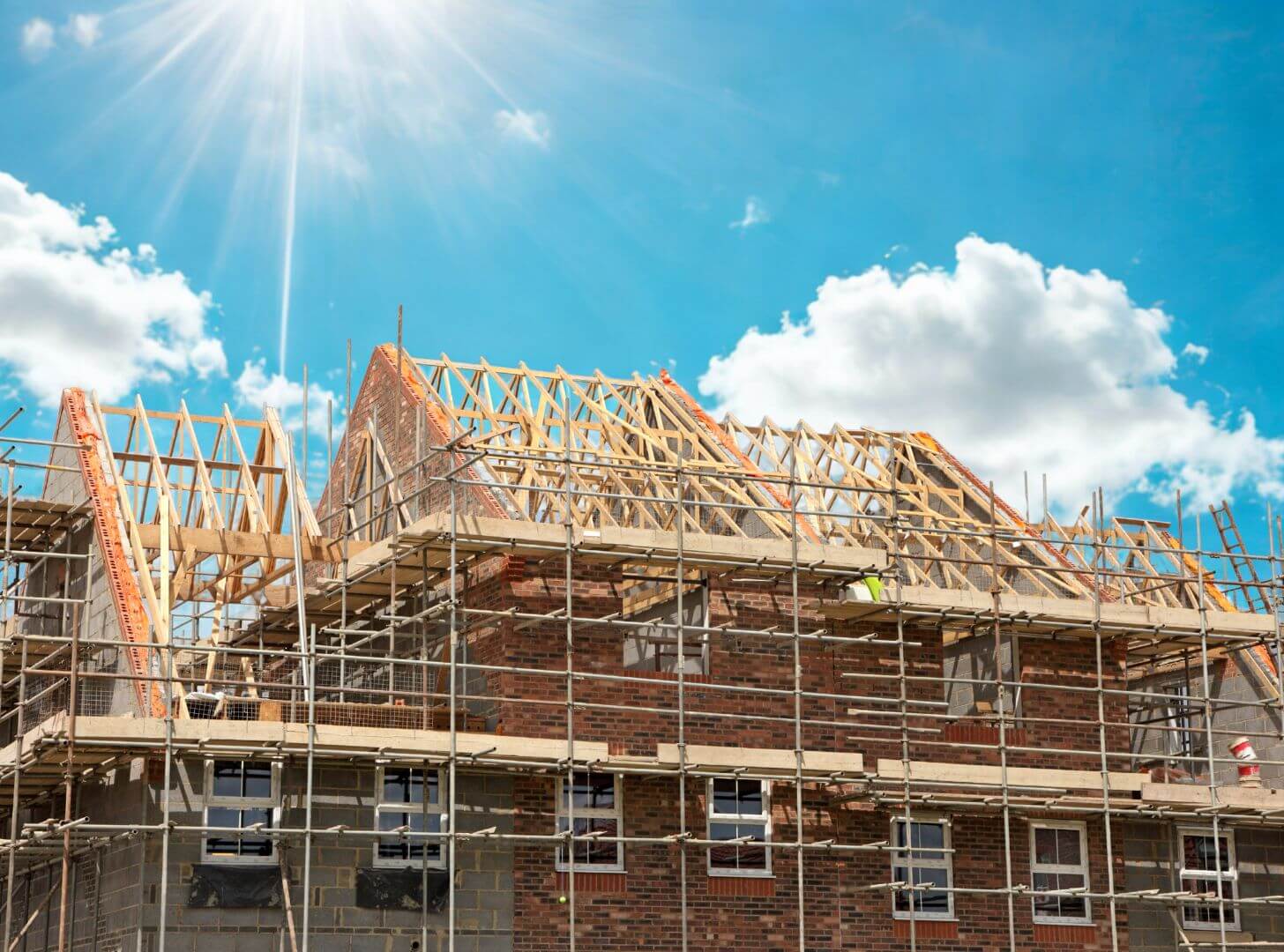
Buying a new build off plan means agreeing to buy a home before it is physically finished. In some cases, construction may barely have started when you choose the plot.
That can give you access to an earlier choice of homes and, depending on the development, options to personalise finishes. It also means you are making a major decision using plans, specifications, computer-generated images and an estimated build timetable rather than the finished property itself.
The key to buying off plan is therefore to research what cannot yet be seen.
What does buying off plan mean?
An off-plan purchase is a property purchase agreed before the home is complete.
You will usually choose a house type and plot from a development plan, pay a reservation fee, instruct a conveyancer, arrange your mortgage and then exchange contracts while construction continues.
The exact process varies between developers and across the UK.
For registered developers covered by the New Homes Quality Code, the buying process includes formal requirements around reservation information, legal documents, expected completion and pre-completion inspection.
Research the new build developer first
When the finished home does not yet exist, the housebuilder becomes an even bigger part of your decision.
Research:
current customer satisfaction data
recent third-party review themes
snagging and aftercare comments
developments already completed by the same builder
the warranty provider
how the developer communicates during construction
Use the new build developer directory to research individual housebuilders and the developer rankings to compare published customer satisfaction data.
Do not assume a national score predicts the experience on one particular development. Look for local information as well.
Understand the exact plot
The show home may be a different house type, on a different part of the site and finished to a higher specification.
Before reserving an off-plan new build, identify the exact plot on the development plan.
Check:
garden direction and orientation
neighbouring plots and overlooking
parking allocation
visitor parking
bin stores
substations and pumping stations
play areas and communal spaces
future development phases
roads and footpaths
gradients and retaining walls
boundaries
nearby affordable housing or apartment blocks
proposed commercial or community facilities
Our new build viewing guide gives you a wider checklist for comparing the plot and development.
Check the written specification
Do not assume that everything you see in the show home is included.
Ask for the specification for the exact property you are reserving.
Identify what is standard and what costs extra, including:
flooring
kitchen appliances
worktops
fitted wardrobes
bathroom finishes
lighting
turf and landscaping
fencing
external taps
electric vehicle charging
garages or car ports
If you agree upgrades, keep a written record.
Where the New Homes Quality Code applies, the reservation information includes details about the home, specification, layout and plot position, and the Code also deals with how changes to the home should be communicated.
What if the developer changes the specification?
Some changes can occur during construction.
The question is whether a change is minor or significant.
Under the current New Homes Quality Code for homes reserved from registered developers from 2 March 2026, a major change that significantly affects the size, appearance or value of the home can give the customer cancellation rights, subject to the Code's terms and timescales.
Your legal position depends on the contract and the rules that apply to your purchase, so ask your conveyancer to explain what happens if the developer changes the layout, materials or specification.
Do not rely on verbal reassurance from the sales office for anything that matters to your decision.
Check the reservation agreement carefully
A reservation should not be treated as a casual holding deposit.
The agreement should tell you what you are reserving, the price, the fee, how long the reservation remains valid and what happens if you cancel.
For homes covered by New Homes Quality Code V2, the reservation agreement must contain a substantial amount of information, including the expected completion date, tenure, estimated management costs, warranty details and the exchange deadline.
Our guide to new build reservation fees and agreements explains the current requirements in more detail.
Think about the mortgage timetable
An off-plan purchase can run for months.
Your mortgage offer may not last until the home is ready. The FCA says mortgage offers normally stand for around three to six months depending on the lender, so ask about the lender's approach to new builds and extensions before you exchange.
Read our new build mortgage guide for the main questions to ask.
Also make sure every incentive is disclosed. UK Finance's Disclosure Form exists to give lenders, valuers and conveyancers consistent information about incentives and other details of new-build transactions.
Compare the price with realistic alternatives
Buying early does not automatically mean you are getting the lowest possible price.
Compare the off-plan home with:
similar new builds nearby
completed plots on the same development
comparable existing homes
the standard specification
the cost of upgrades
ongoing estate charges
any incentives being offered
Our guide to whether new builds are more expensive explains why national average prices do not tell you whether one specific new build is good value.
If there appears to be flexibility, read can you negotiate the price of a new build?.
Understand service charges and estate management
An off-plan development can look simple on a plan while still creating future management obligations.
Ask who will maintain:
private roads
landscaping
drainage
play areas
apartment communal areas
shared parking
other private infrastructure
Find out what the estimated annual charge is and how it can change.
The current New Homes Quality Code requires relevant management costs and arrangements to be disclosed in the reservation information where the Code applies.
Read our new build service charges and estate management fees guide before comparing annual costs.
What completion date will you get?
At an early stage, you may receive a season or broad period rather than an exact date.
The New Homes Quality Board's buyer guidance explains that the estimated timescale should become more specific as construction progresses, while the precise legal completion date may only be confirmed relatively close to completion.
That means flexibility matters.
Avoid making arrangements that assume an early estimate is guaranteed. Keep your landlord, buyer, mortgage adviser and removals company updated as the build progresses.
If construction runs late, our guide to new build completion delays explains what to check in your contract.
Can you inspect an off-plan home before completion?
Once the property is sufficiently complete, ask what access you will have before legal completion.
Buyers covered by the New Homes Quality Code can request an independent pre-completion inspection using the required checklist process.
This is separate from simply viewing the home.
Our guide is a snagging survey worth it? explains when a professional inspection may be useful and how it differs from developer or warranty inspections.
Check the warranty before you reserve
Ask which warranty provider covers the plot and request the policy information.
A warranty should not be treated as a promise that no defects will occur. Understand the developer's initial responsibilities, the insurer's later structural cover and any exclusions or claim conditions.
Read what a new build home warranty covers before completion.
Off-plan new build checklist
Before reserving, make sure you have checked:
The developer's ratings, reviews and local reputation.
The exact plot position and orientation.
The written standard specification.
Which show-home features are upgrades.
The reservation fee and cancellation terms.
The expected exchange deadline.
The estimated completion window.
What happens if construction is delayed.
Your mortgage offer and lender criteria.
Every developer incentive.
Estate or service charges.
The warranty provider.
Your right to inspect before completion.
What happens if the design or specification changes.
The long-term development plan around your plot.
The bottom line
Buying a new build off plan can work well when you understand exactly what you are committing to.
The biggest mistake is allowing a polished show home and an early choice of plots to replace proper research.
Compare the developer, inspect the development plan, read the specification, understand the mortgage and legal timetable and get important promises in writing.
The finished home may not exist yet, but the information you need to make a better decision should.