Show Home vs Actual New Build: What Is Included and What Can Be Different?
A show home is designed to present a development at its best. Learn which features may be upgrades, what can differ on your actual plot and how buyers should compare the written specification before reserving.
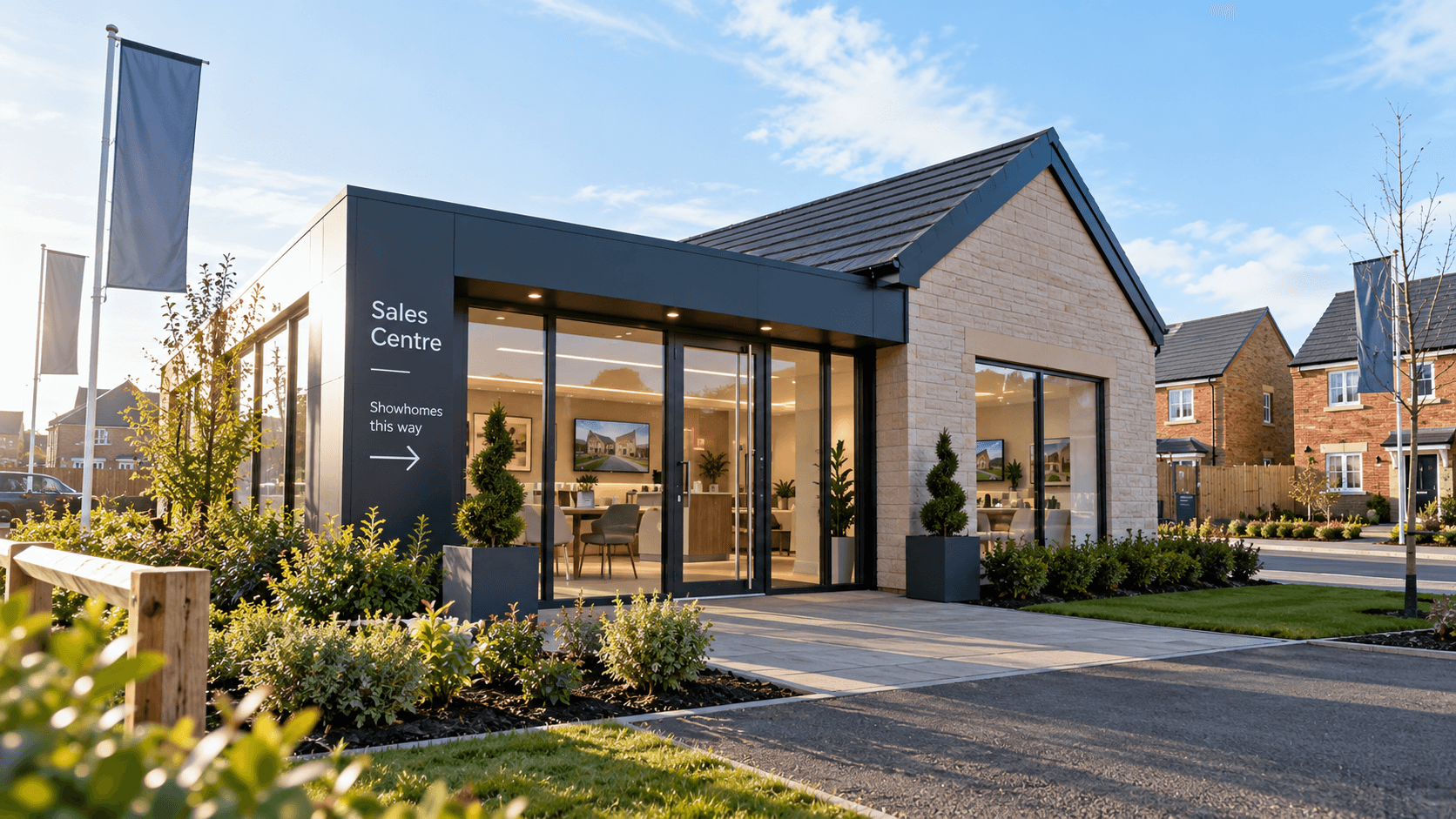
A show home is one of the most persuasive parts of buying a new build. The rooms are professionally styled, the lighting is carefully planned and every space is designed to help you imagine living there.
The problem is not that show homes look good. The problem is assuming that everything you see is included in the standard price of the property you are considering.
Flooring, worktops, appliances, fitted wardrobes, lighting, landscaping and even some layout details can differ between the show home and the actual plot. The written specification therefore matters more than memory.
What is the purpose of a show home?
A show home demonstrates a house type, interior style and overall development experience. It is a sales and marketing environment, so it is normally presented at a high standard.
It can still be extremely useful. You can judge approximate room proportions, circulation, storage ideas and the general feel of a house type. But you should separate three things in your mind: the building itself, developer upgrades and removable styling.
What is usually just styling?
Sofas, beds and dining furniture.
Mirrors, artwork and decorative shelving.
Curtains and blinds.
Cushions, rugs and accessories.
Decorative wall finishes.
Freestanding lamps.
Artificial plants and ornaments.
Some freestanding storage and media units.
These items can make rooms feel warmer, larger or more luxurious without forming part of the property you will receive.
What can be an optional developer upgrade?
Features that look permanent are not necessarily standard.
Upgraded kitchen doors or worktops.
Higher-specification appliances.
Premium flooring or carpets.
Additional downlights.
Extra sockets or USB points.
Fitted wardrobes.
Upgraded sanitaryware or tiles.
Enhanced shower fittings.
Feature radiators.
Additional landscaping.
Extended patios.
Premium internal doors or handles.
Smart-home equipment.
Ask the sales adviser to identify every upgrade in the show home and provide the cost of reproducing it on your plot.
What should the standard specification tell you?
The written standard specification should explain what the developer includes in the base price for the exact house type or plot.
Do not settle for a broad brochure if more detailed plot-specific information is available.
Kitchen range and worktop specification.
Appliances included.
Bathroom and ensuite fittings.
Floor finishes.
Internal doors and ironmongery.
Heating system.
Electrical points and lighting.
Wardrobes or storage.
External finishes.
Turf, fencing and landscaping.
Parking, garage and EV charging.
Any solar panels or energy features.
Can the actual layout differ from the show home?
Yes. The show home may represent the same house type but be handed, mirrored or adapted to suit its plot.
Window positions, external doors, side access, garage arrangements and garden relationships can also differ.
Use the plot-specific floor plan and site plan rather than assuming the show home is an exact physical copy.
Check room sizes, not just furniture placement
Professional staging can make a room feel larger than it would with your own furniture.
Show-home furniture may be selected specifically for the space, and some pieces can be smaller or shallower than the items you already own.
Take measurements where the developer allows it and compare them with the dimensions of your bed, sofa, dining table and wardrobes.
Our new build viewing guide includes a broader checklist for assessing layout and plot position.
Look carefully at flooring
Flooring is one of the easiest show-home features to assume is standard when it may be an upgrade or separate purchase.
Ask whether carpets, laminate, engineered timber, luxury vinyl tile and bathroom flooring are included in the advertised price.
If flooring is extra, compare the developer's price with arranging it independently after completion, while considering convenience and access.
Kitchen upgrades can change the feel of the room
The show home may use a premium cabinet range, upgraded worktops, extra wall units, decorative lighting or higher-specification appliances.
Ask to see the standard kitchen option as well as the upgrade choices. A lower-cost plot can become significantly more expensive if you are mentally comparing it with a kitchen that includes several thousand pounds of extras.
What about bathrooms?
Tiles, shower screens, vanity units, mirrors and upgraded fittings can all change the appearance of a bathroom.
Confirm the standard tile coverage, sanitaryware range and shower specification. Ask whether the show home's wall-to-wall tiling is standard or an upgrade.
Is the garden shown realistically?
Show-home gardens are normally designed to look finished from day one. The plot you buy may be handed over with a more basic landscaping package.
Check whether turf is included.
Confirm the patio size.
Ask what fencing and gates are provided.
Check whether planting is included.
Confirm levels and retaining walls.
Ask what happens to landscaping in winter or poor weather.
Check whether sheds or decorative structures are display items only.
If drainage is a concern, read our new build garden drainage problems guide.
Do show homes include better lighting?
Often, yes. Additional downlights, pendants, wall lights and decorative lamps can make a room feel more impressive.
Ask how many ceiling points, switches and sockets are included as standard. This matters if you are comparing two developers with different base specifications.
The view from the show home may not match your plot
A beautifully presented show home can distract buyers from the fact that their chosen plot faces a different direction, backs onto another phase or sits near a road, play area or drainage feature.
Always return to the site plan.
Which direction does the garden face?
What will be built behind the plot?
Will there be apartment blocks nearby?
Where are bin stores and visitor spaces?
Are there future roads or access points?
Are there retaining walls or level changes?
Which boundaries belong to the property?
Can the developer change the specification?
Construction projects can involve substitutions or changes, particularly when products become unavailable. What matters is what your reservation agreement and purchase contract allow and whether the change is minor or significant.
For homes covered by the New Homes Quality Code, major changes can trigger specific customer protections depending on the circumstances.
If you are buying before construction is complete, read our buying a new build off-plan guide and ask your conveyancer to explain the contract's specification-change provisions.
How should upgrades be recorded?
Do not rely on a conversation in the sales office for anything important to your purchase.
Every agreed upgrade, incentive or specification change should be recorded in the developer's paperwork and reflected appropriately in the legal and mortgage process.
If you are negotiating extras, read our new build incentives guide.
Will upgrades increase the value of the home?
Not necessarily by the amount you pay for them.
An upgraded kitchen or flooring package can improve your enjoyment of the home, but buyers should distinguish personal value from resale value.
Compare the upgrade cost with what it would cost to add the feature independently and whether making the change after completion would be disruptive.
Questions to ask in the show home
Which features in this room are standard?
Which items are upgrades?
Can I see the standard specification?
How much would it cost to match this show home's kitchen?
Is flooring included?
Are wardrobes included?
Are the light fittings and downlights standard?
What landscaping comes with my exact plot?
Is my plot the same handed layout?
Can I see the plot-specific floor plan?
What can still change before completion?
How will agreed upgrades be documented?
Compare developers on the standard home
When comparing housebuilders, try to compare what each developer includes at the base price rather than which company has the most impressive show home.
A more expensive property can be better value if it includes flooring, appliances, wardrobes and landscaping that another developer charges extra for.
Use the New Build Rankings developer directory and rankings alongside your specification comparison.
The bottom line
A show home is useful inspiration, but it should never replace the written specification for the actual home you are buying.
Separate styling from upgrades, upgrades from standard specification, and the show-home plot from your own plot. Then price the differences before deciding which development offers better value.
Before paying a reservation fee, use our new build reservation agreement guide so the specification and incentives are checked alongside the legal and financial commitments.